
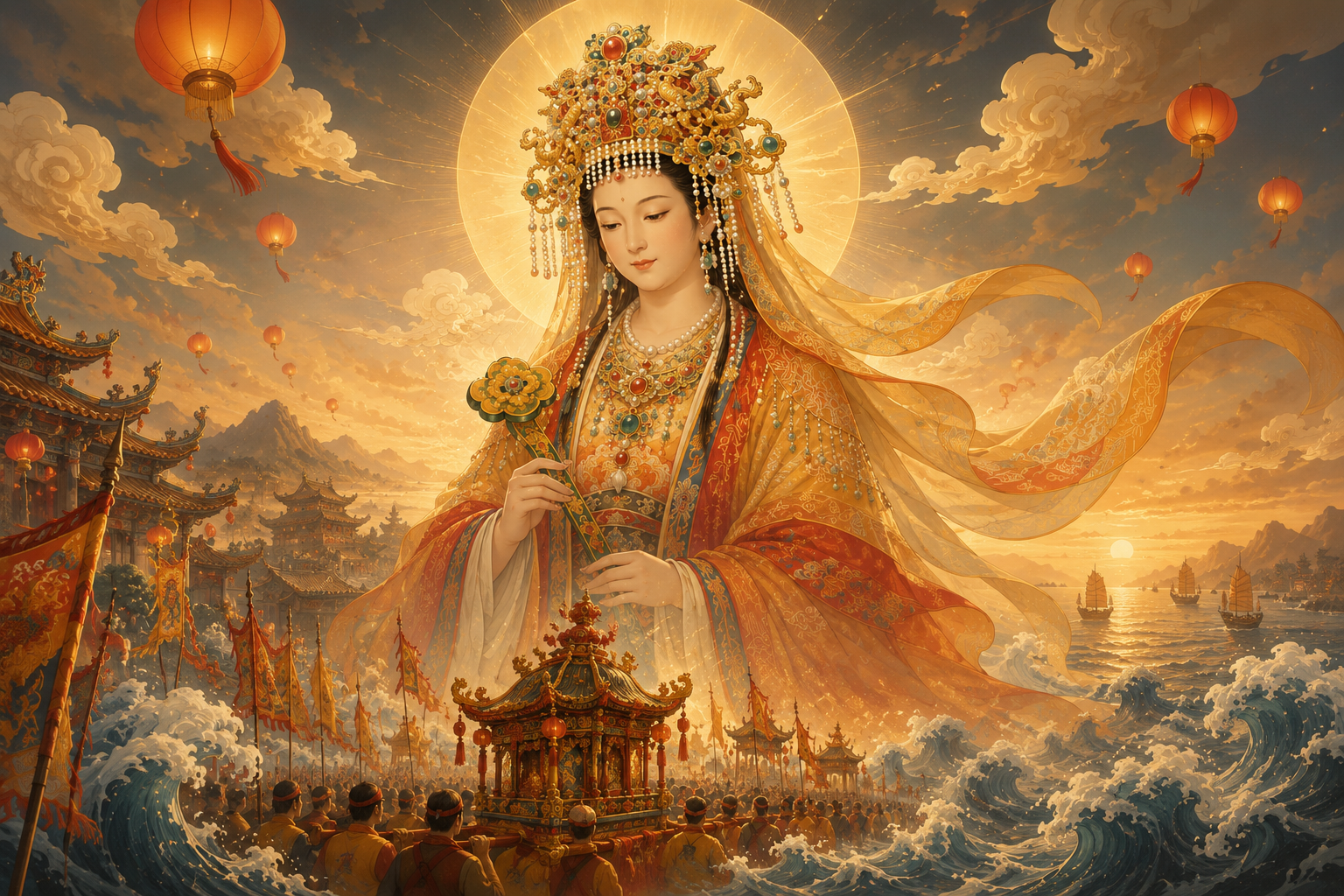
Every year, in the third lunar month, over a million people take to the roads of Taiwan. They are following a goddess.
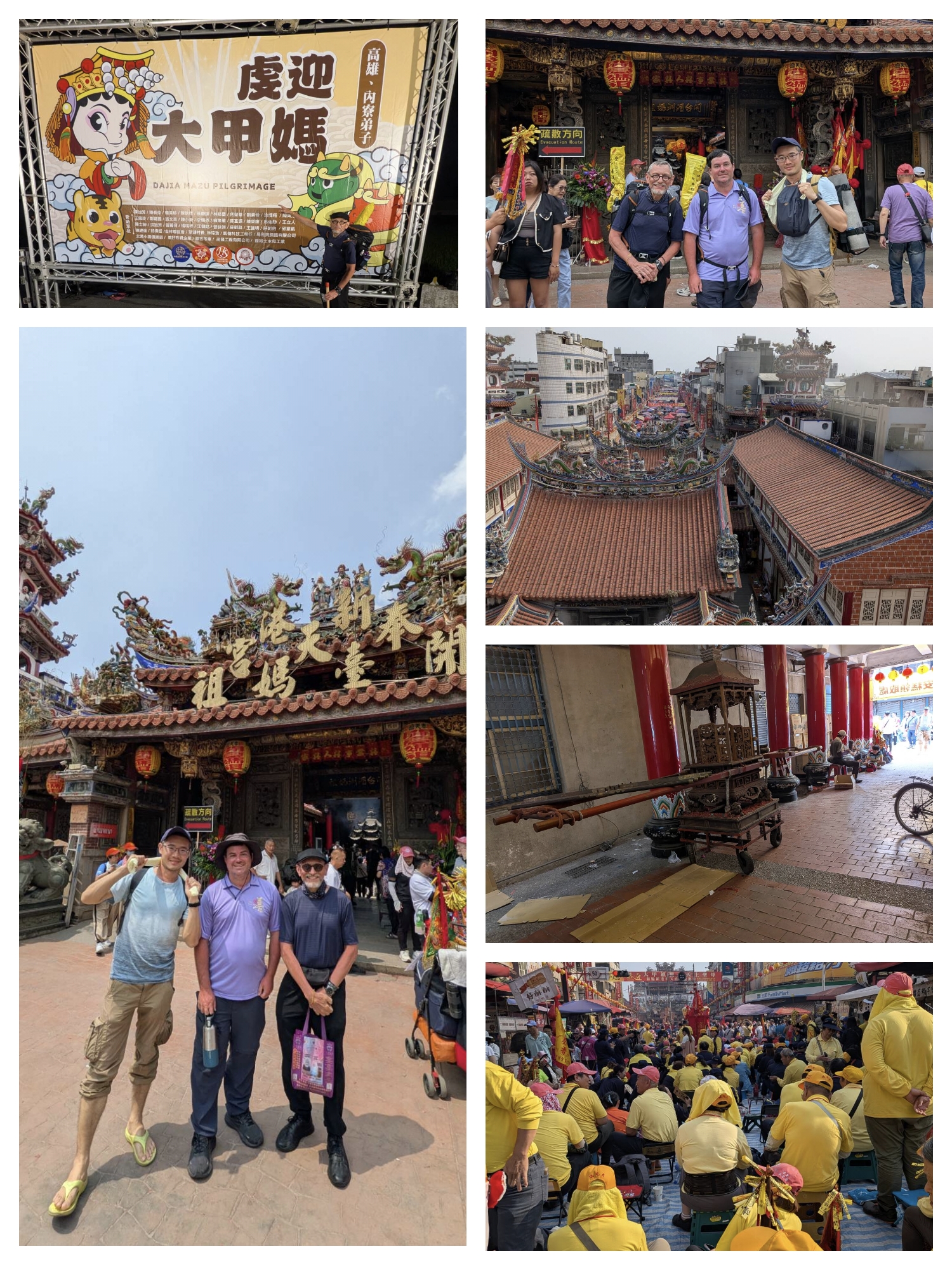
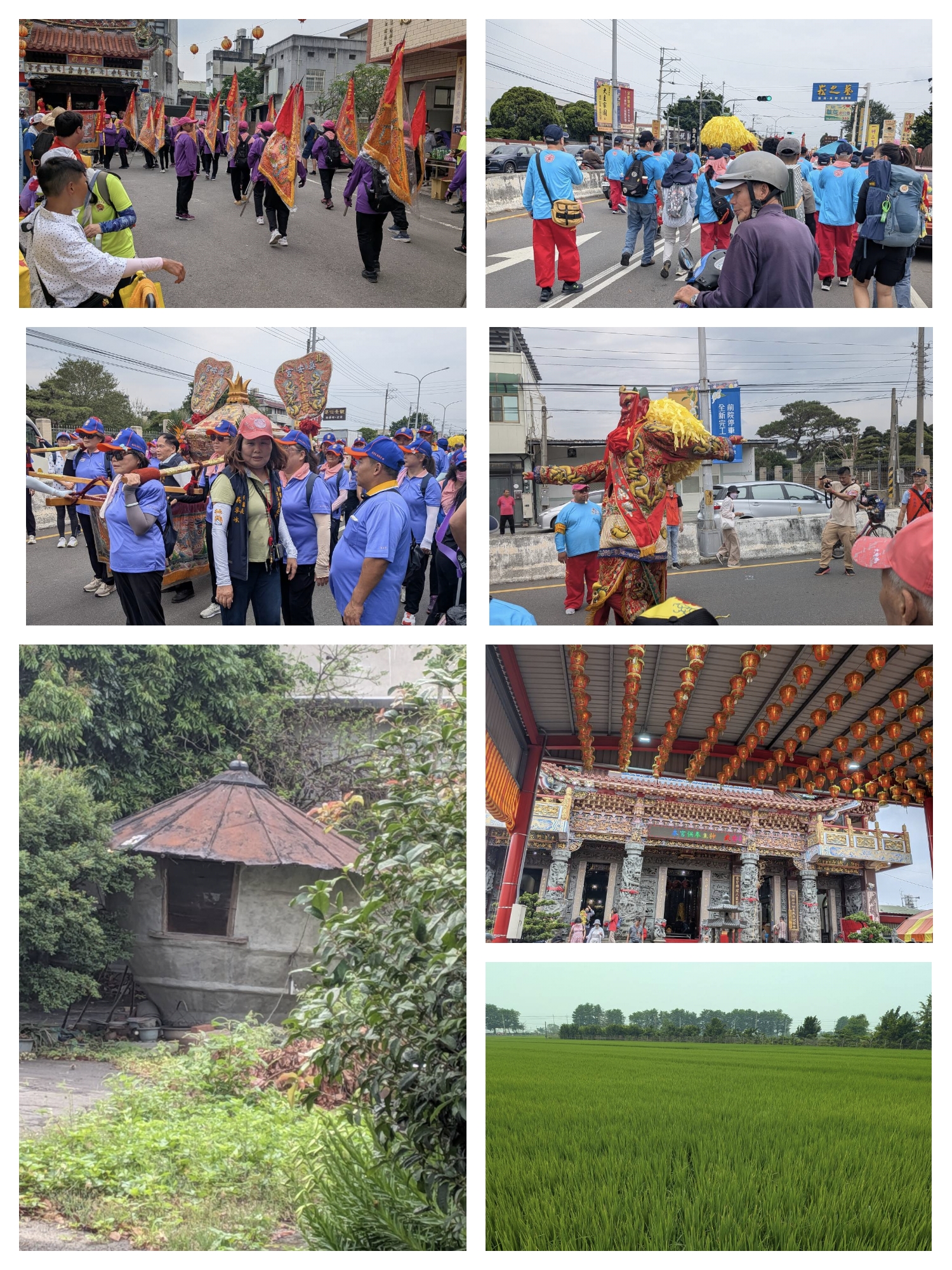
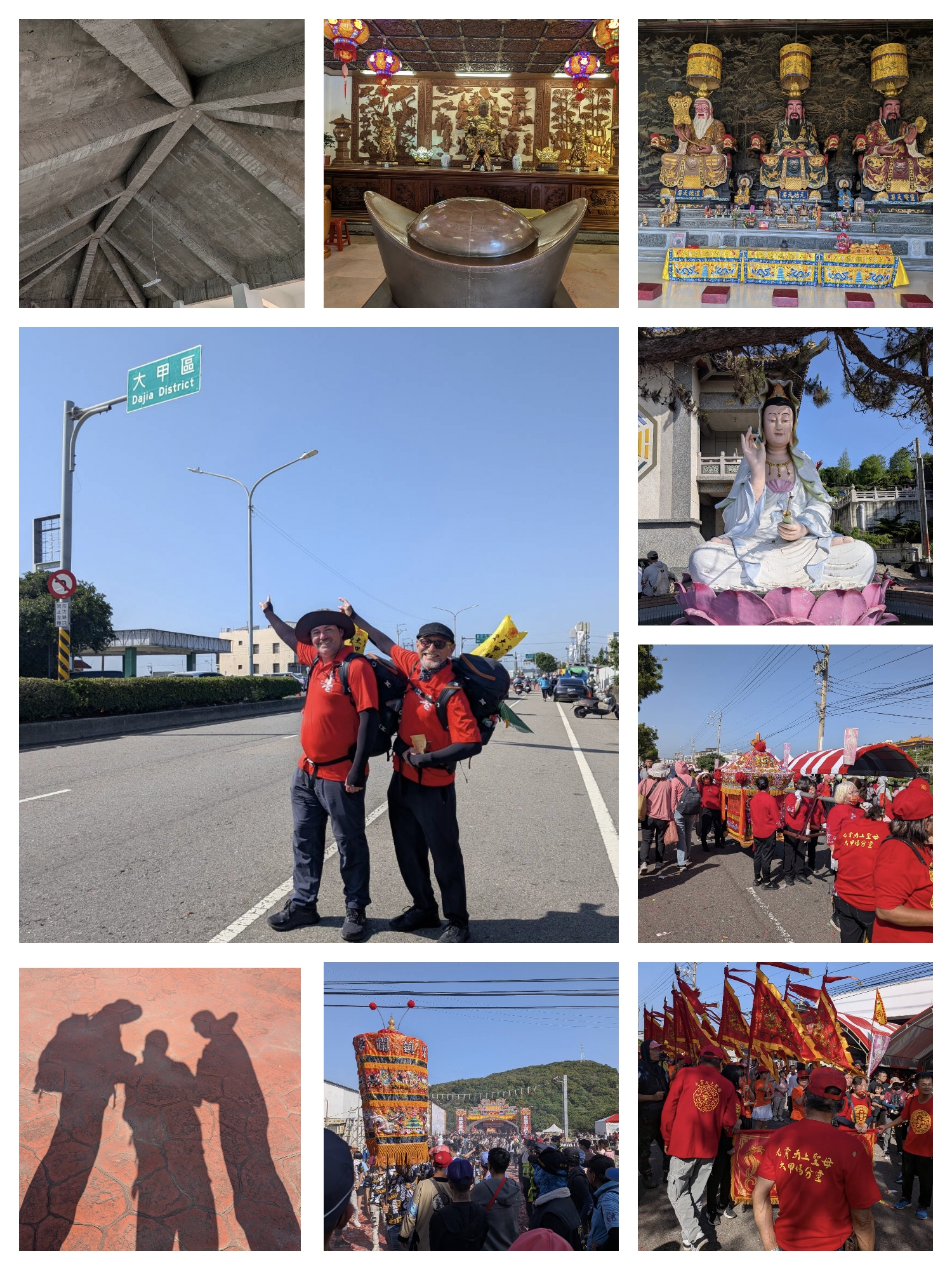
The Dajia Mazu Pilgrimage — formally the Dajia Jenn Lann Temple Mazu Pilgrimage (大甲鎮瀾宮媽祖遶境進香) — departs from Dajia, Taichung and travels approximately 340 kilometres south to Fengtian Temple in Xingang, Chiayi, before returning via a slightly different route nine days later. The procession passes more than 100 temples along the way. It has been named one of the world's three largest religious events alongside the Vatican's Easter celebration and Mecca's Hajj.
The tradition dates to 1730, when Lin Yongxing migrated from Meizhou Island carrying a Mazu statue. For generations, the statue was carried back to China to recharge its spiritual energy. When Japan occupied Taiwan in 1895 and that journey became impossible, devotees adapted — the statue would instead tour the venerable temples of Taiwan itself. A new tradition was born.
"I have walked many roads. This one walked me."
Each year, the dates are determined by divination — priests consult the goddess herself using bwah-bweh (筊杯), ancient wooden crescent blocks, thrown until Mazu signals her approval. You cannot plan this trip far in advance. The goddess decides when she walks.
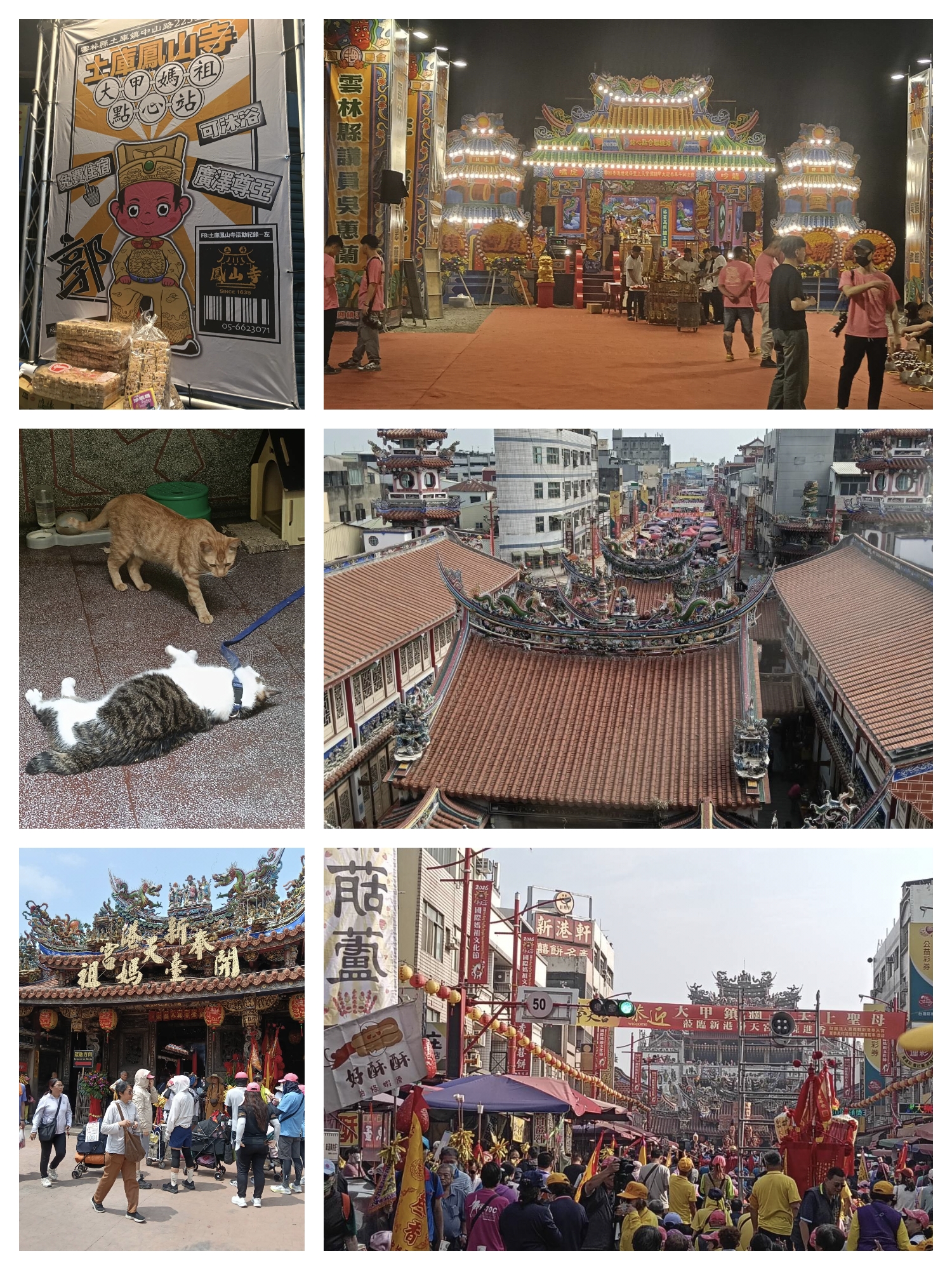
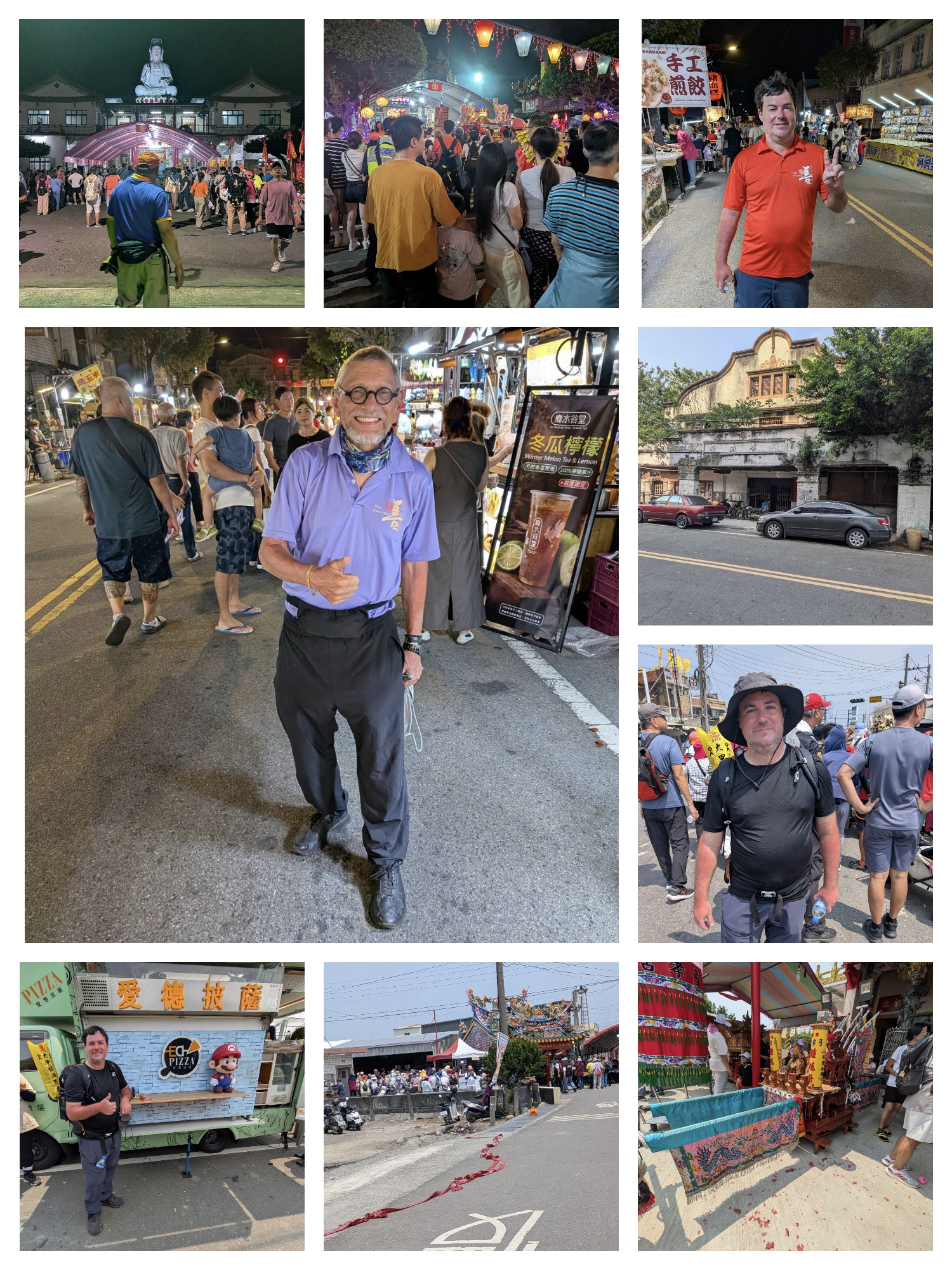
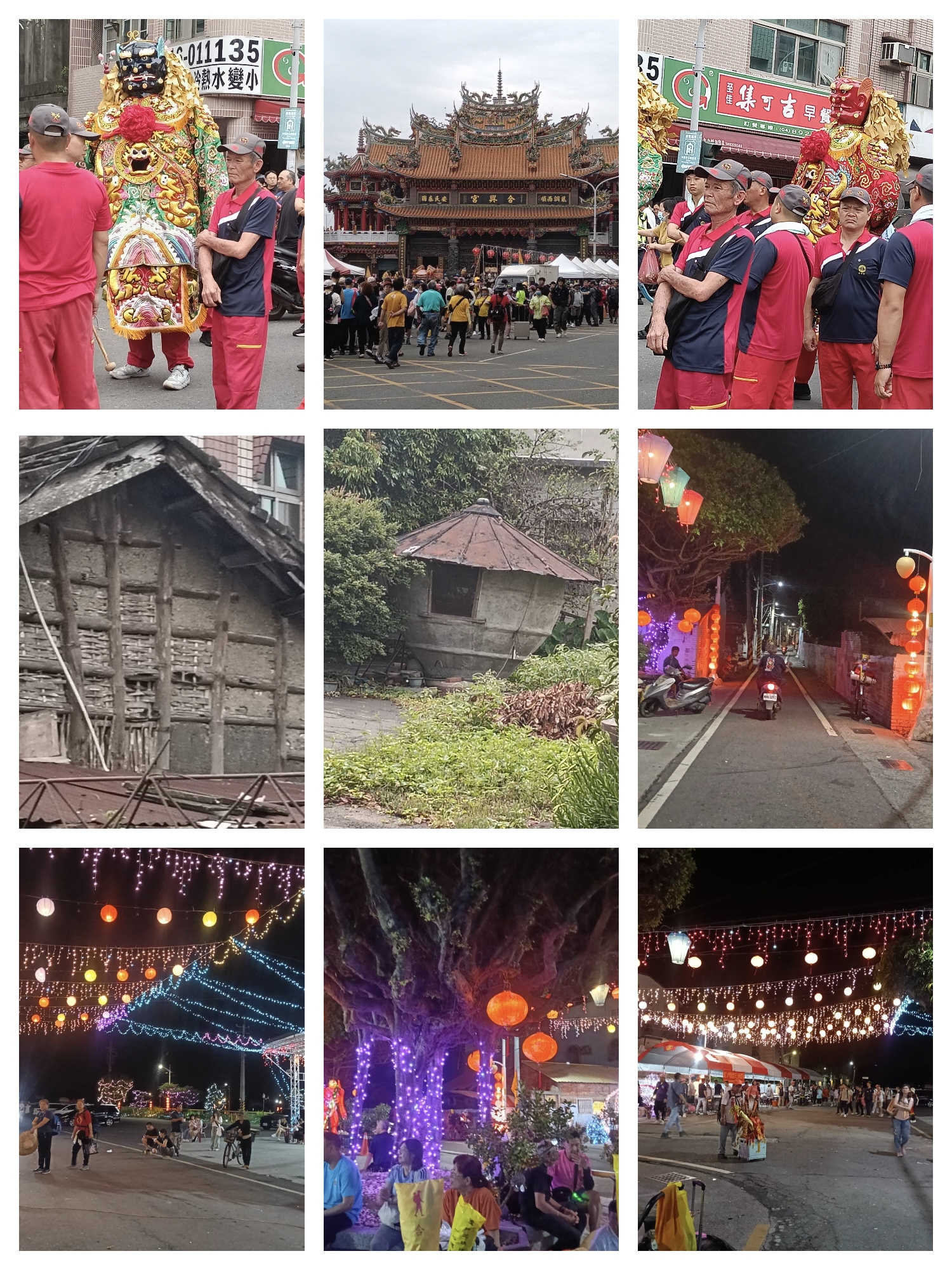
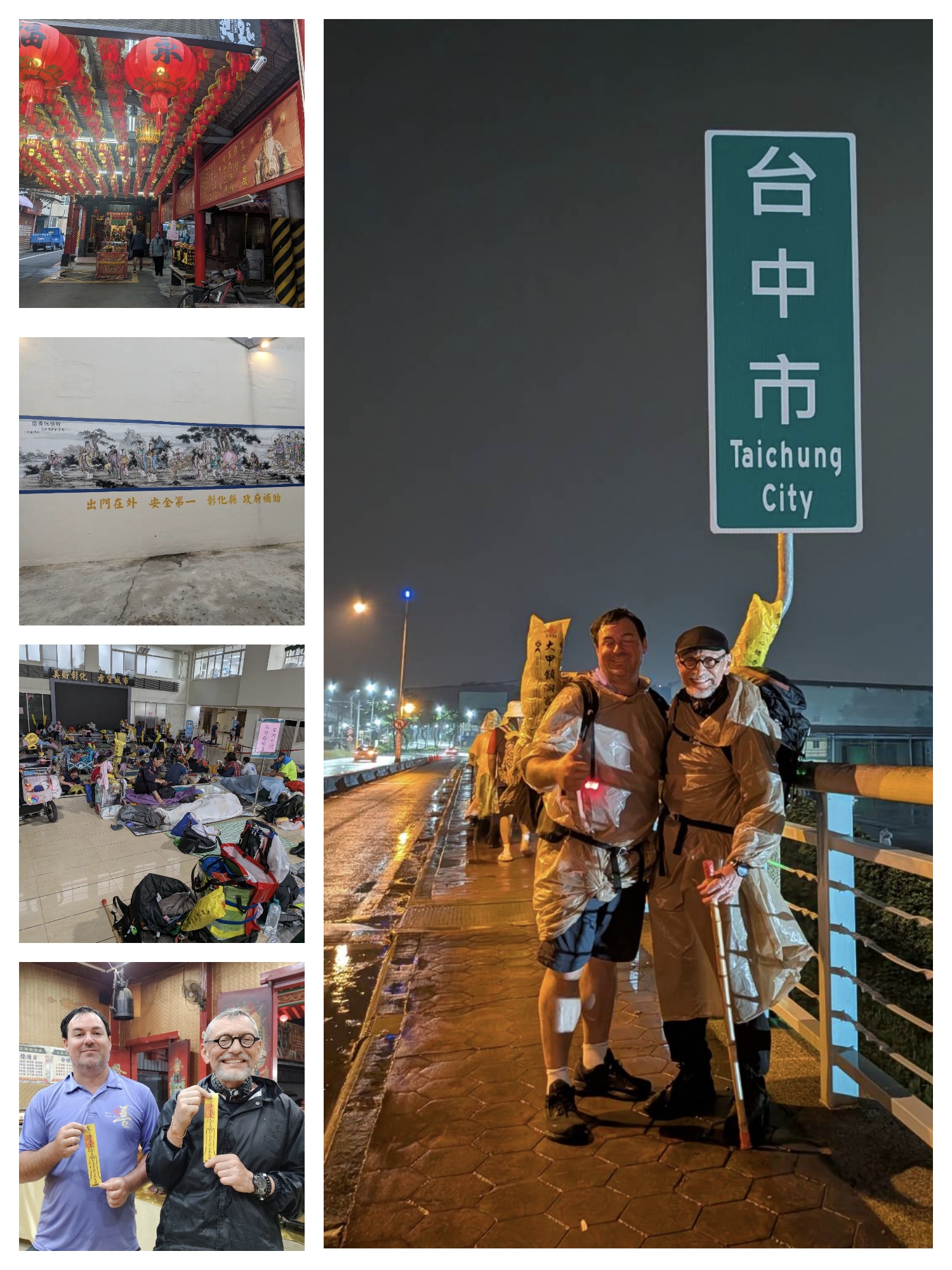
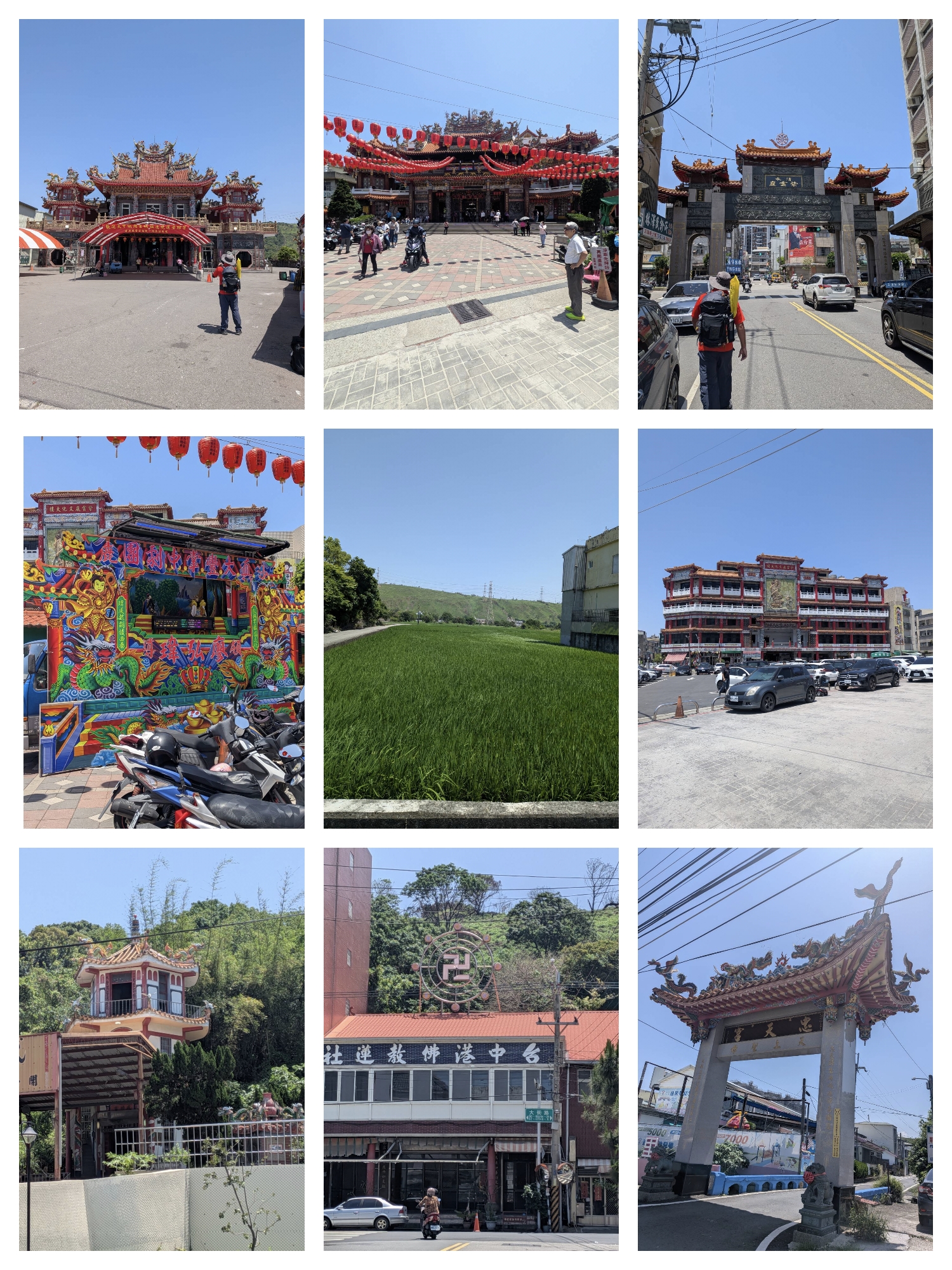
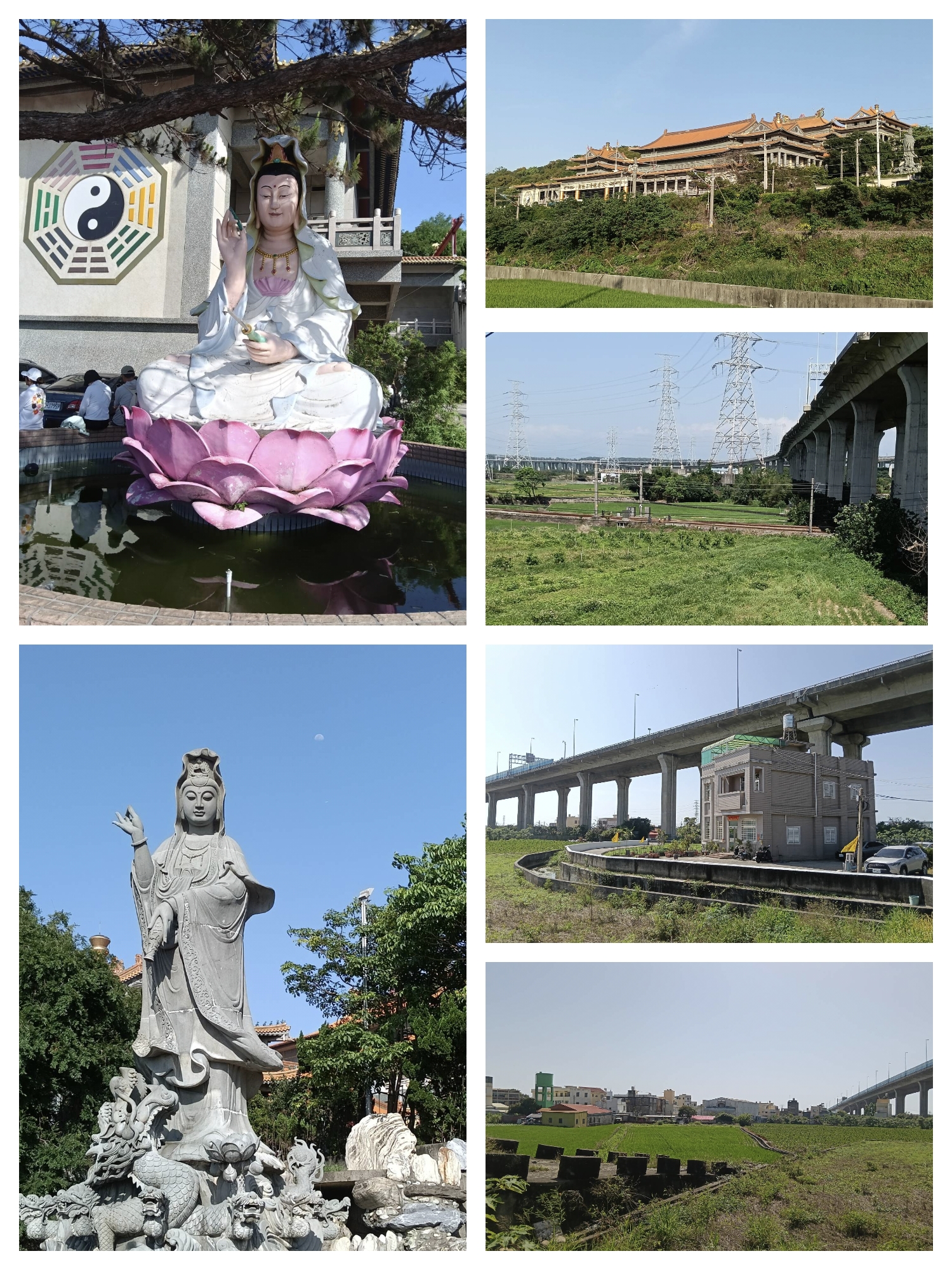
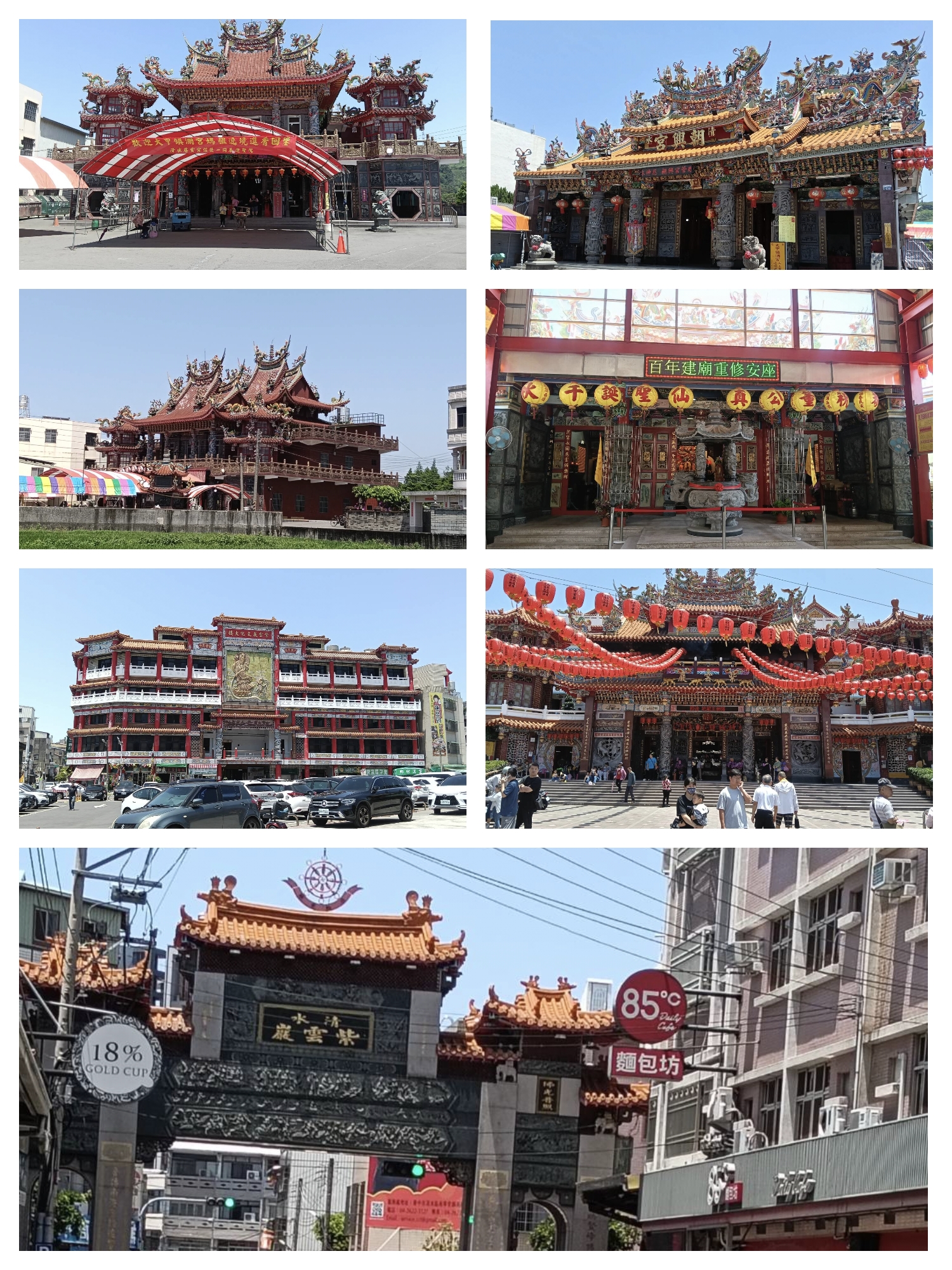
The route winds through farmland, industrial districts, city streets, and ancient temple courtyards. At night, host communities practice pengding — opening their doors, setting up tables of vegetarian food, handing out supplies to any pilgrim who passes. No questions. No charge. Generosity at a scale that makes you rethink what community means.
You sleep in temple courtyards on cardboard mats. You eat from mobile kitchens run by volunteers. Along the route, devotees prostrate themselves face-down as the palanquin passes over them — an act of faith, believed to bring blessing and protection. Your feet deteriorate. Something else improves.
Dajia 大甲 → Fengtian Temple, Xingang 新港 → Dajia 大甲. Ten stages across central Taiwan and back.
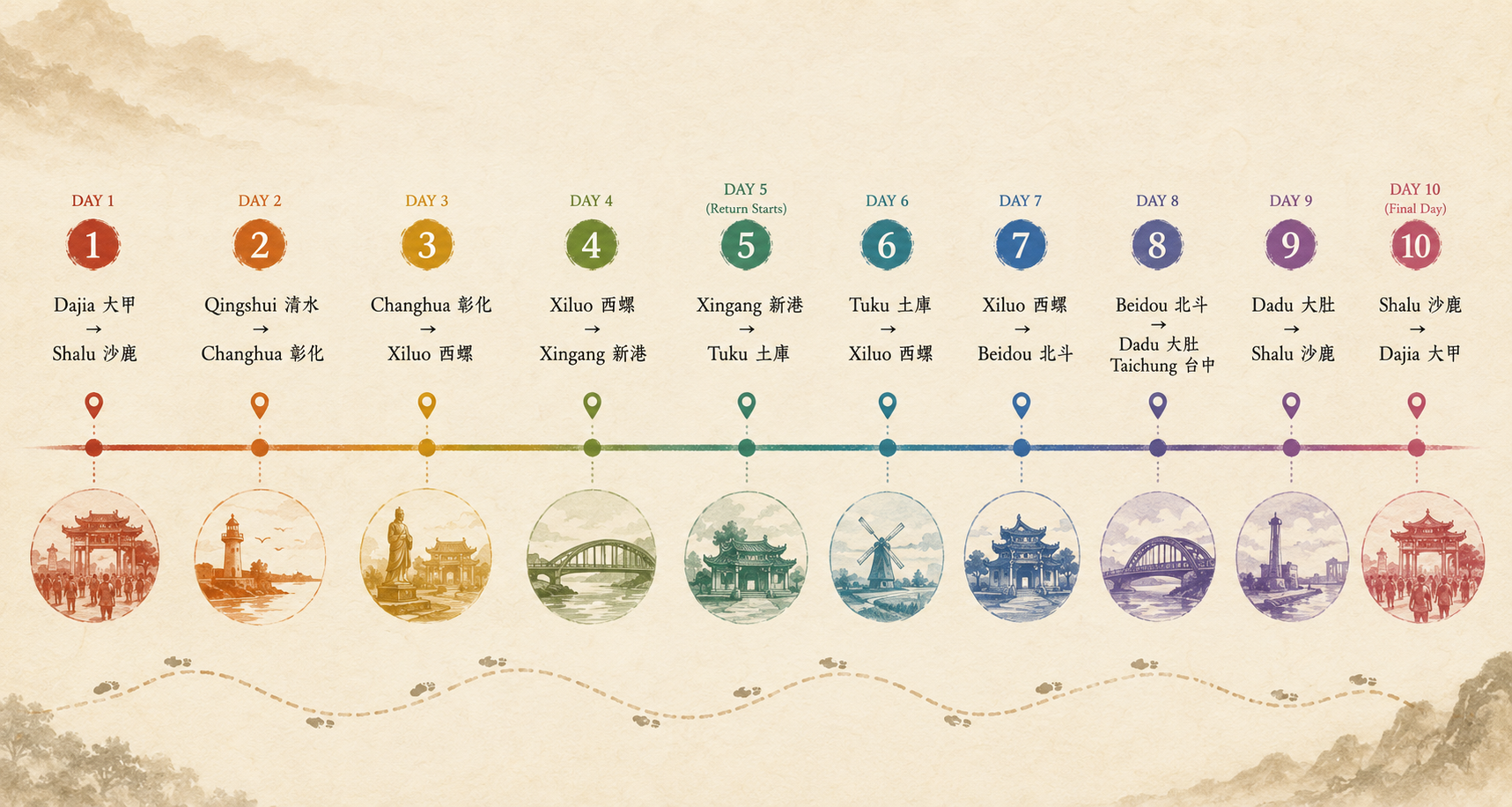
Ten days. Ten stages. Scroll to walk.
A pilgrimage is an excellent way to see the very best of mankind. It shows that human beings are normally, loving, caring, and thoughtful.
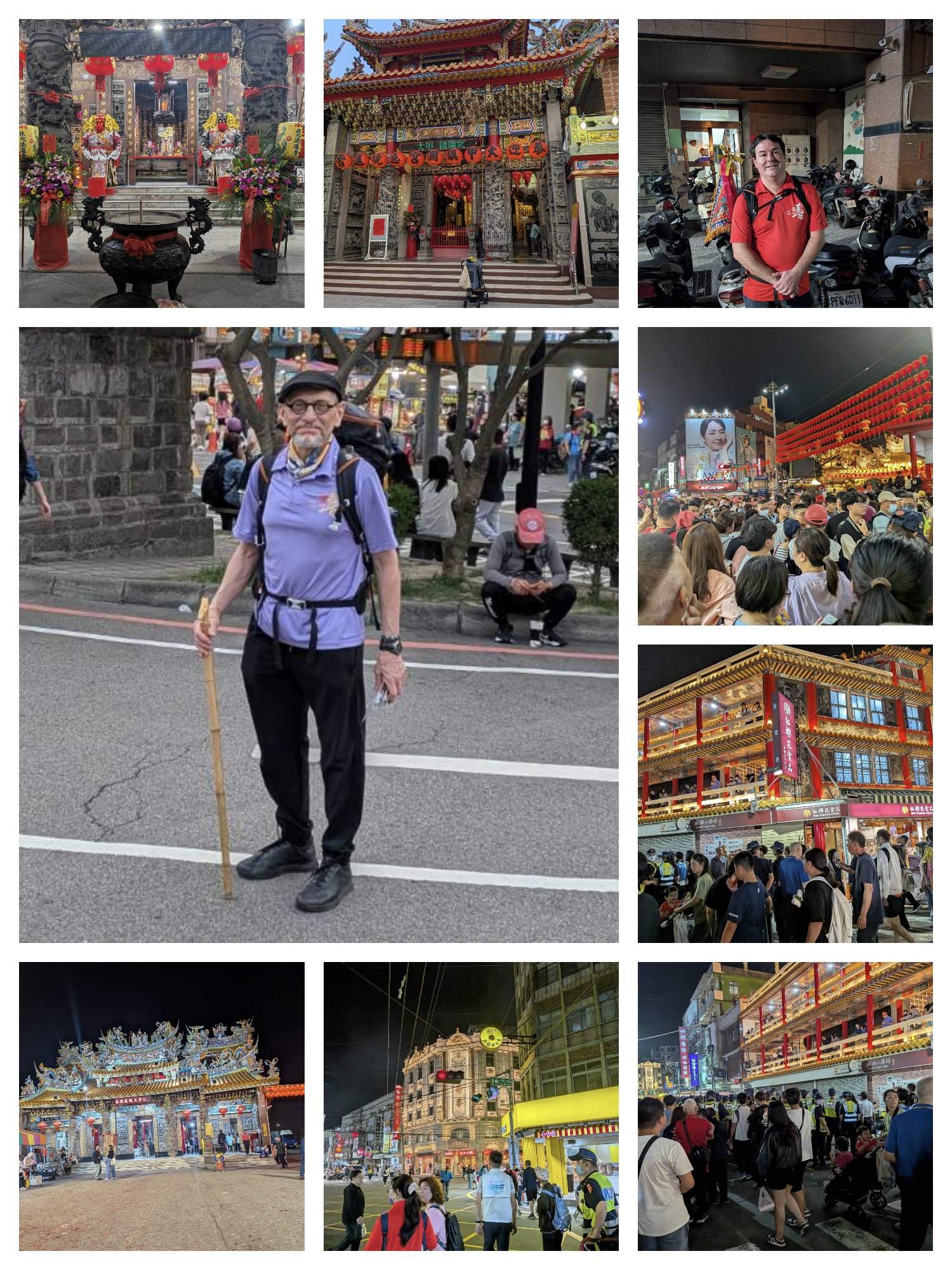
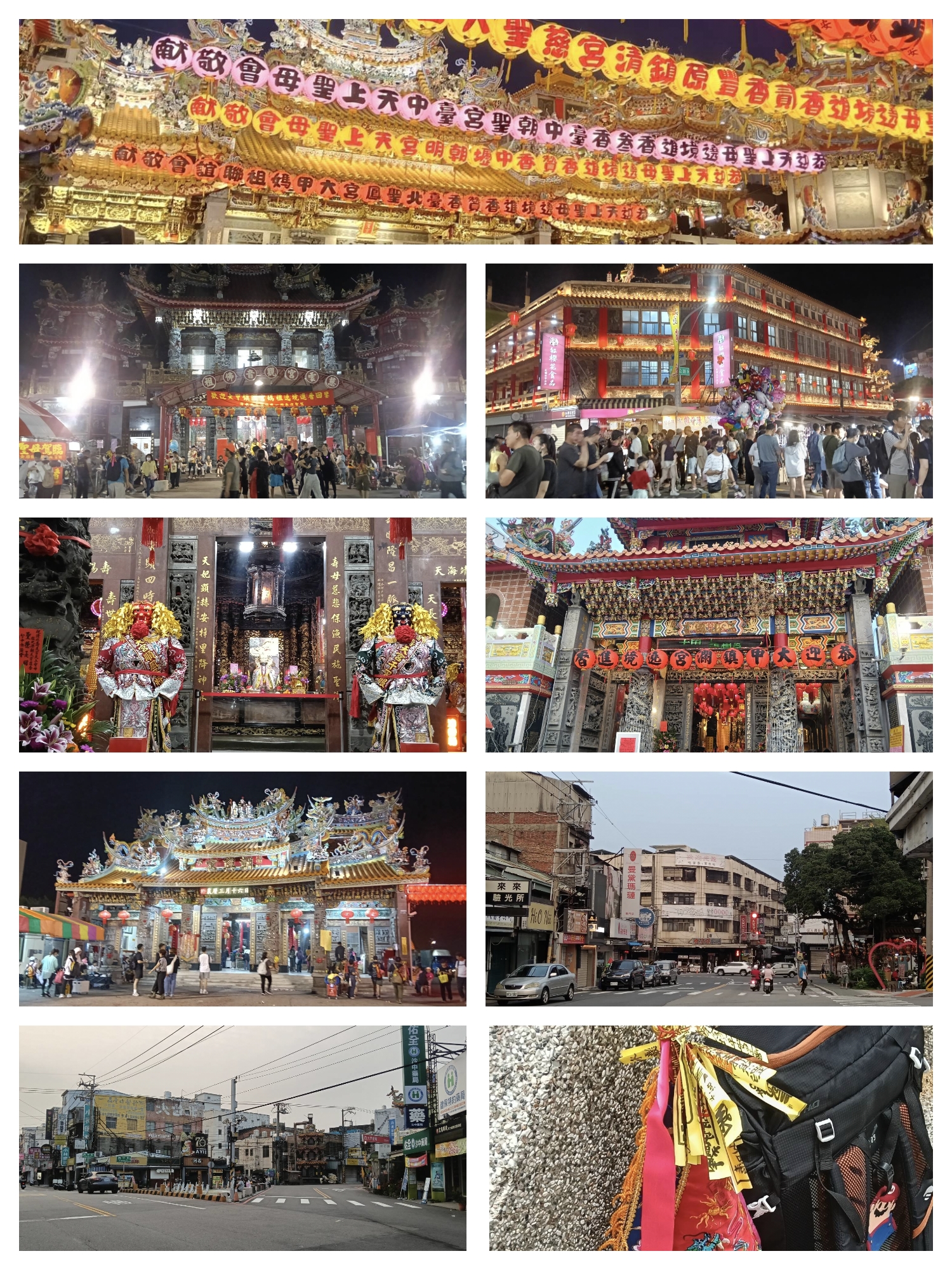
The natural environment in Taiwan reminds us that all living beings can live in harmony in spite of their dynamism and diversity.
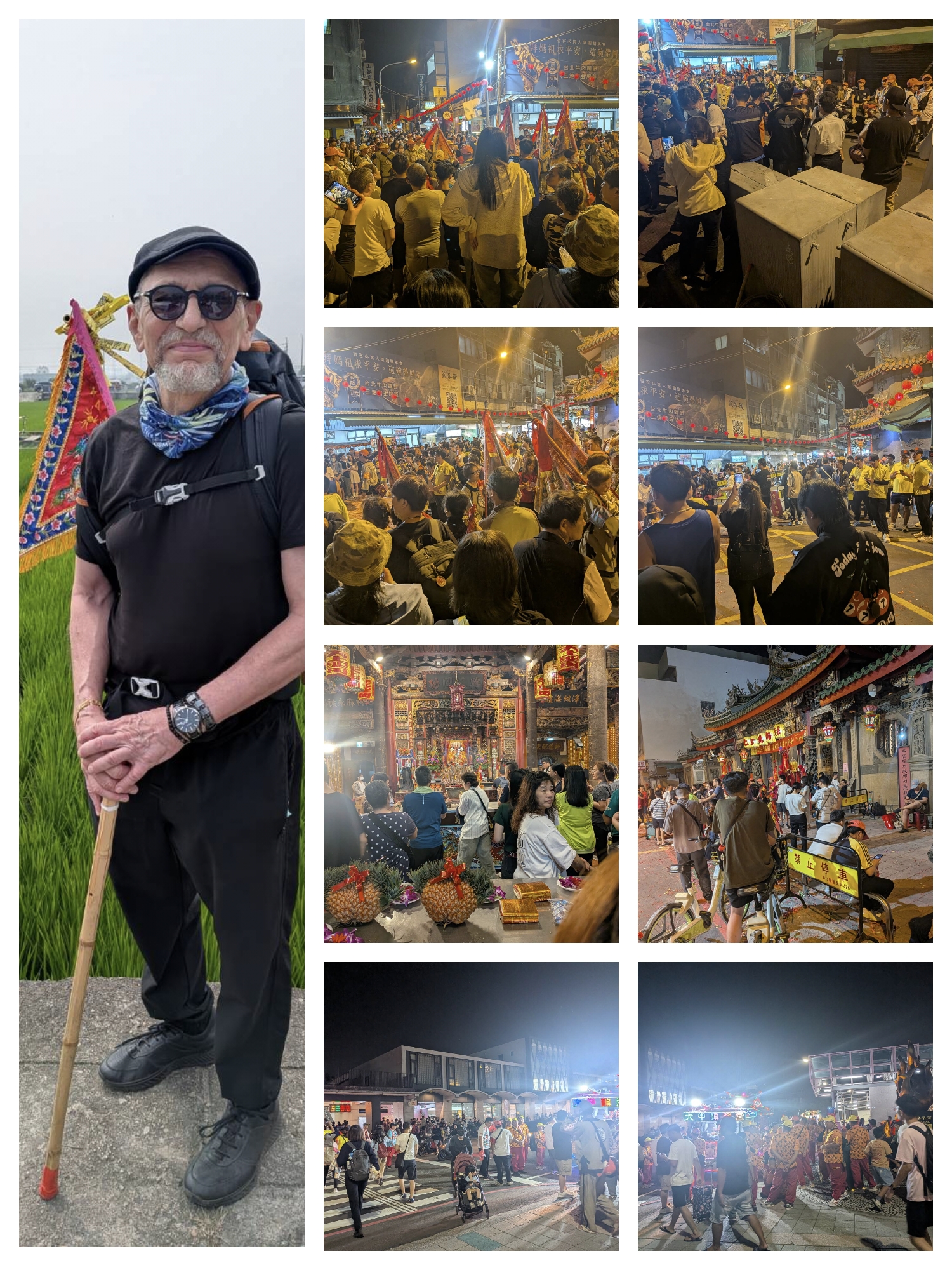
Adversity will visit every person's life. It is how one deals with these setbacks that will present the quality and value of the individual going forward into the future.
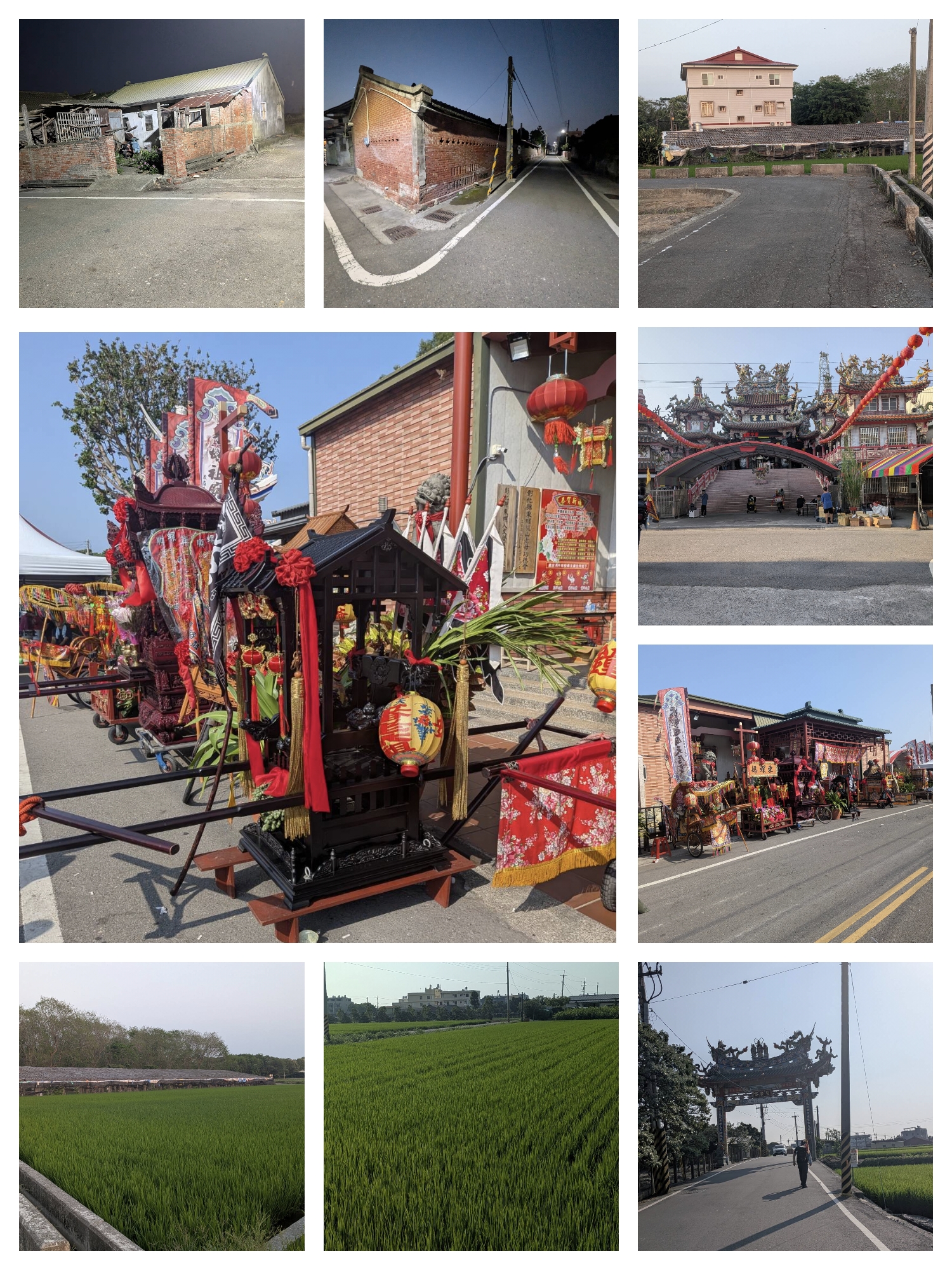
Service and the capacity to volunteer or assist are important values that deserve to be nurtured in all mature people. This devotion to the Common Good benefits every society.
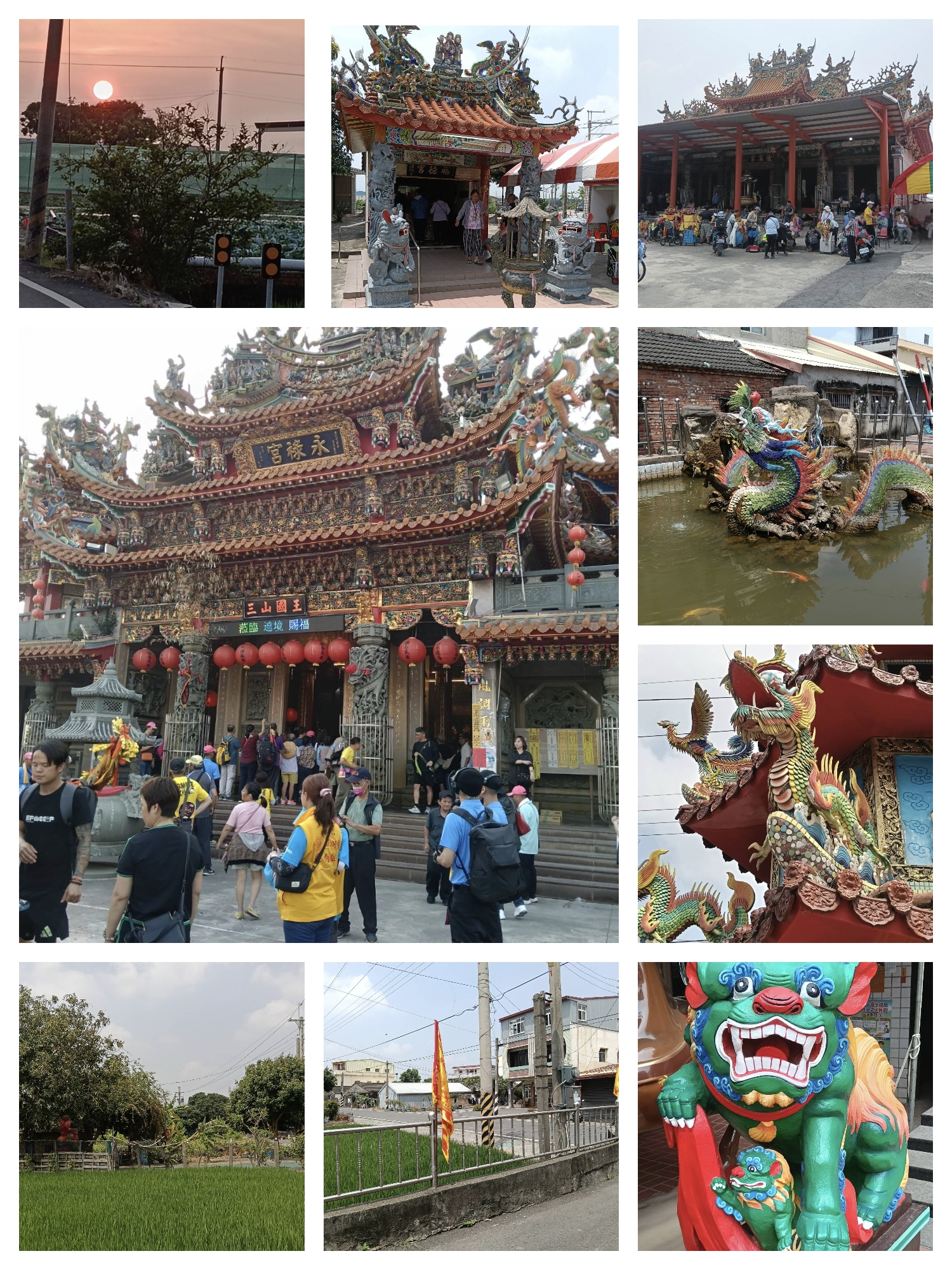
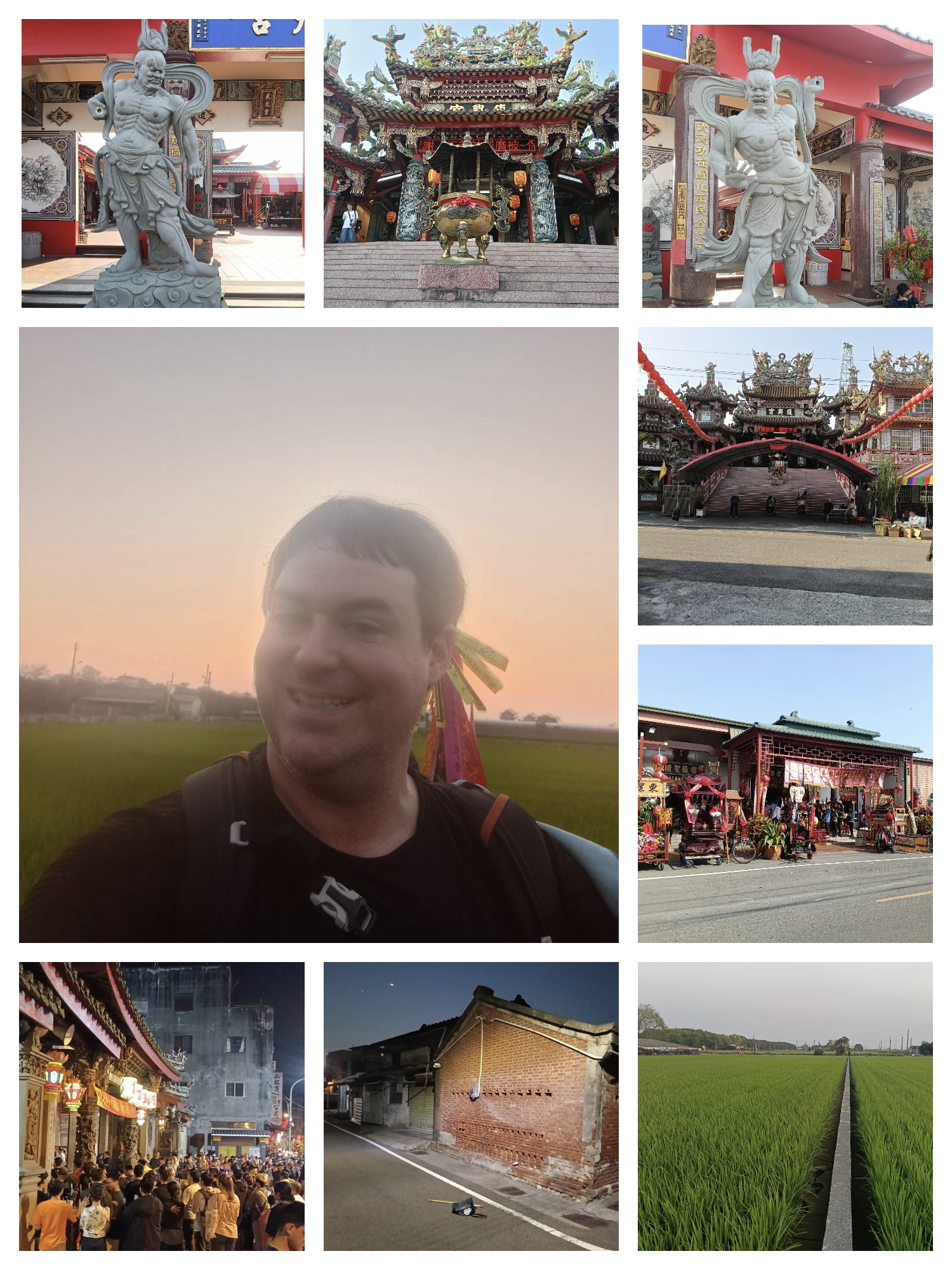
In modern times, tradition is deeply assailed. If this trend continues, society will change in irrevocable ways. That said, people are clever. We will make the choices, in the future, that allow our civilization to blossom.
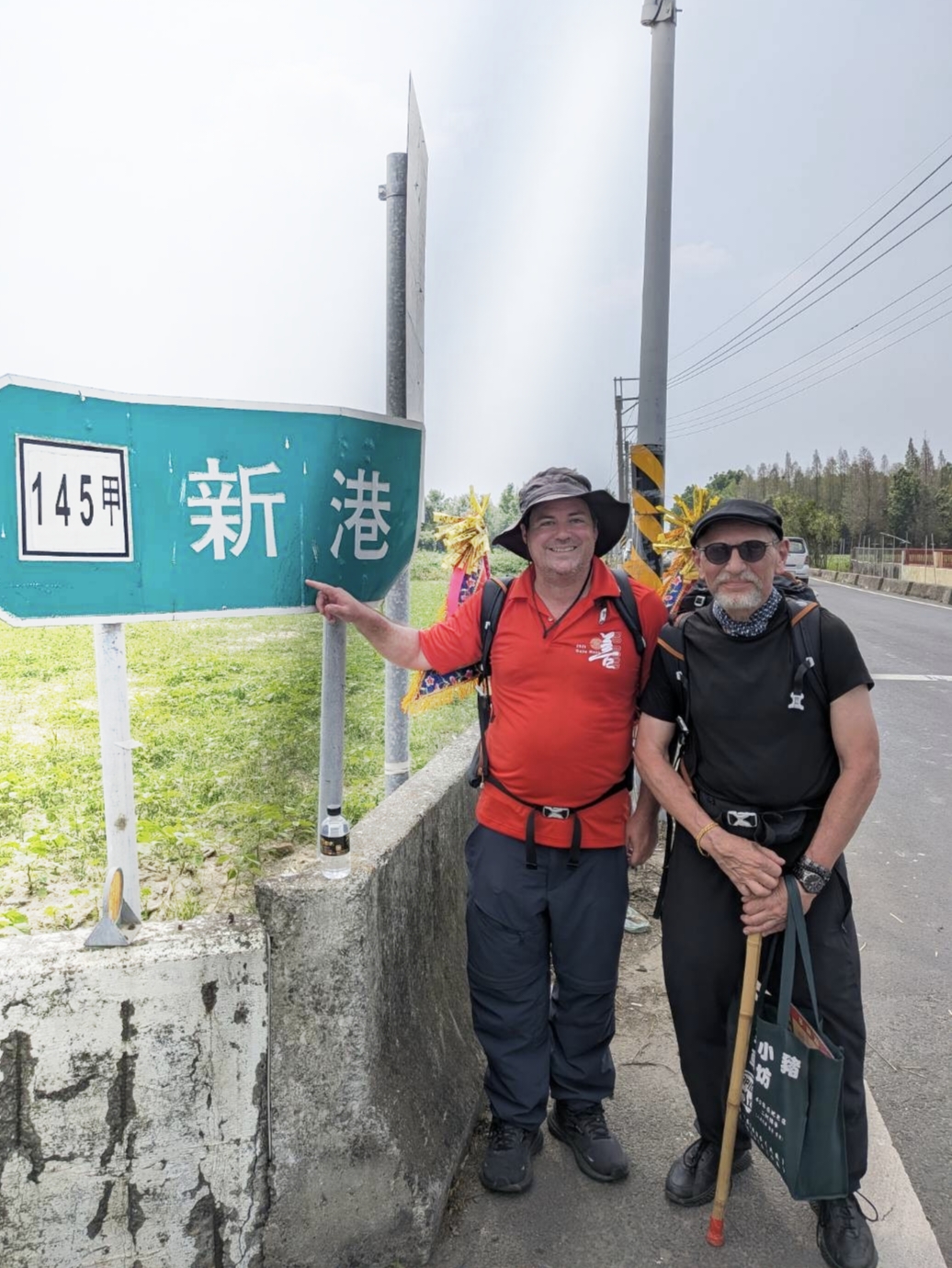
How does one find the time in our Digital Age? Fortunately, all answers lie within. We only have to find the key to open the door to silence to begin.
Music is the elixir of life. With her sweet charms, all seems hopeful and transcendent.

How do we overcome challenges? We conquer adversity through free will and determination. Life is not fair; the great equalizer is your ability to see yourself as successful.
Society is intrinsically kind and caring. When one commits an act of kindness, both the giver and the receiver benefit from the feeling of warmth and tenderness.
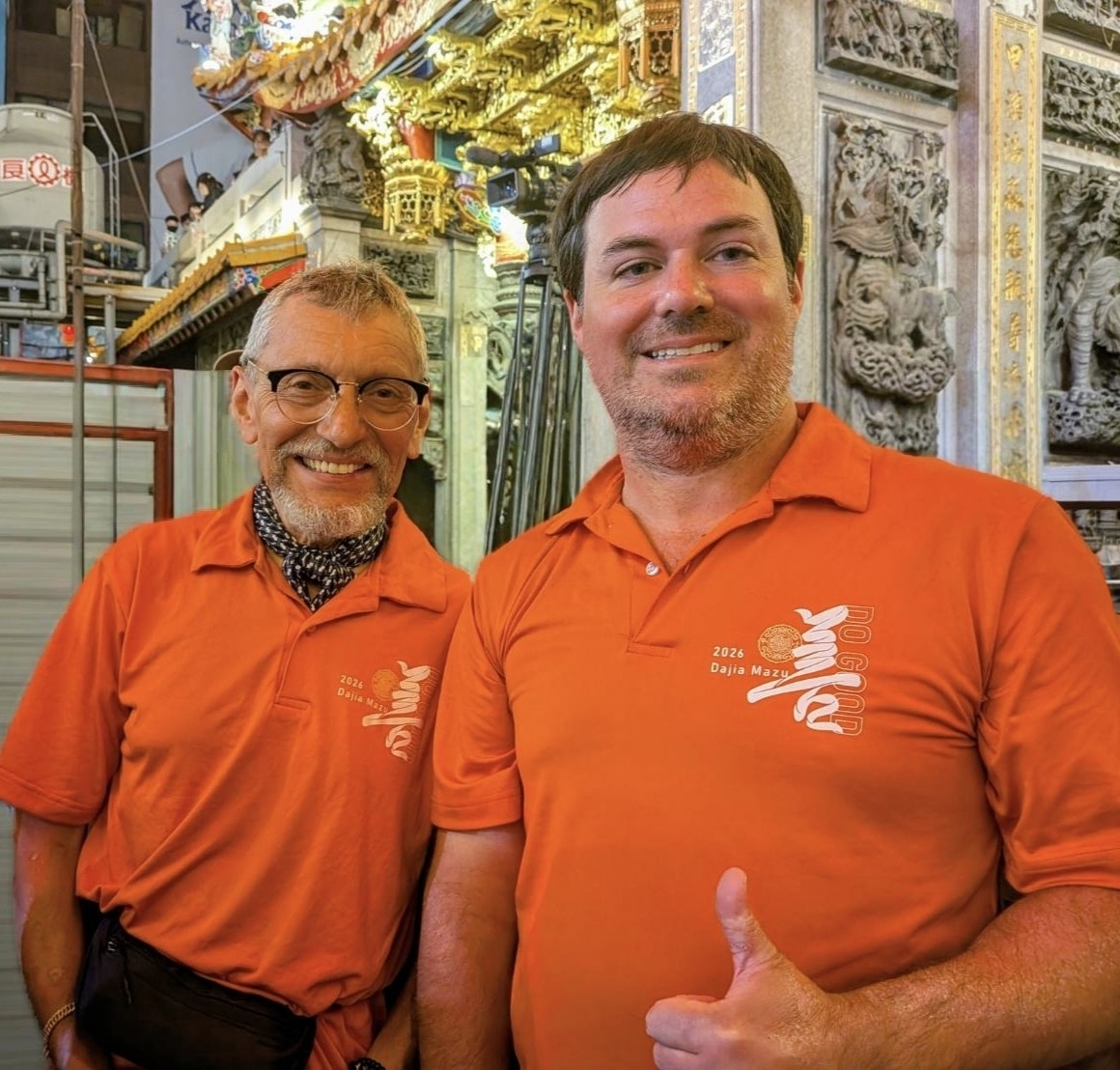
Always excellence: why not? This is a theme that is reinforced in the Mazu Pilgrimage. When you do your best, you are rewarded and blessed in life.


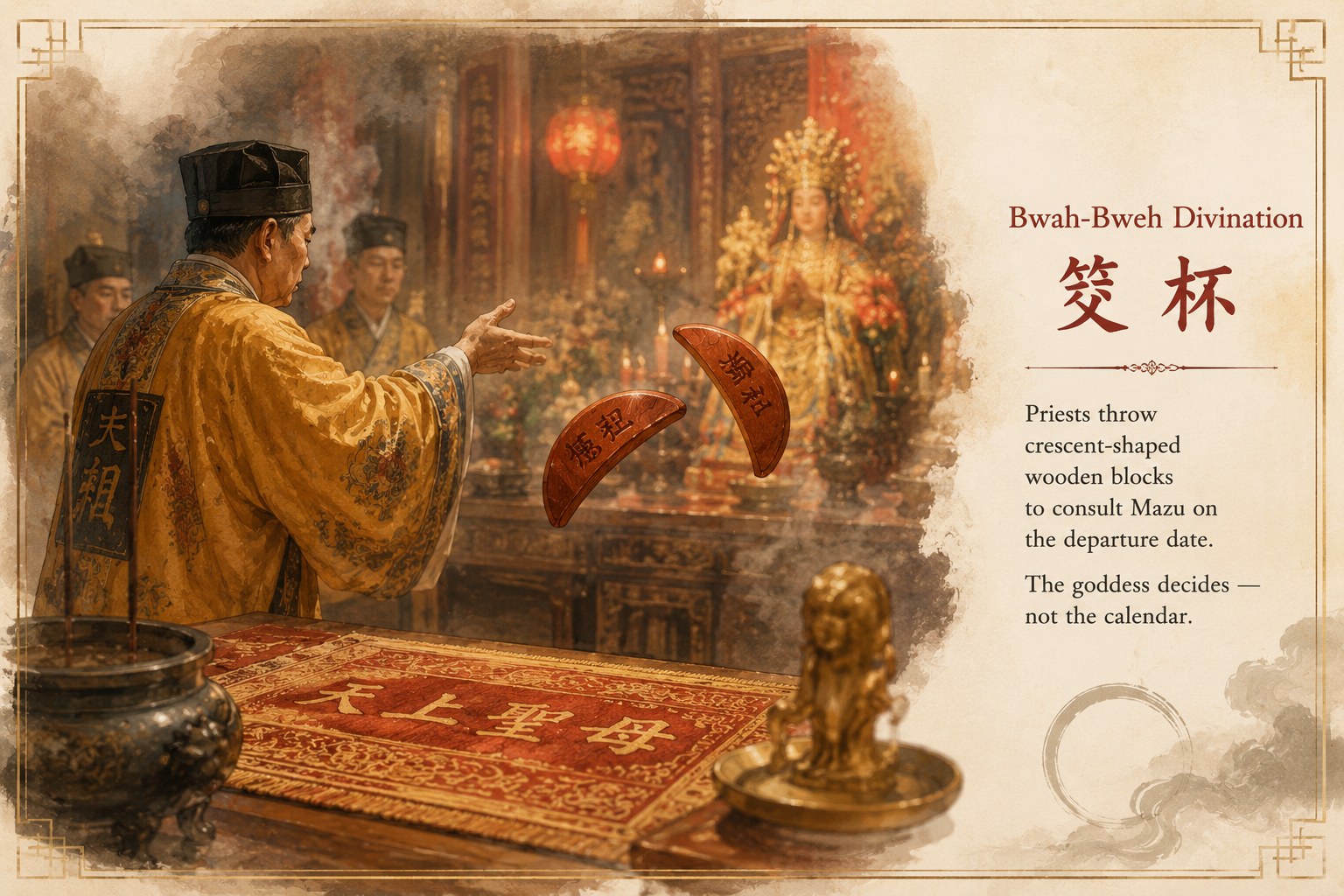
Bwah-Bweh Divination
筊杯Priests throw crescent-shaped wooden blocks to consult Mazu on the departure date. The goddess decides — not the calendar.
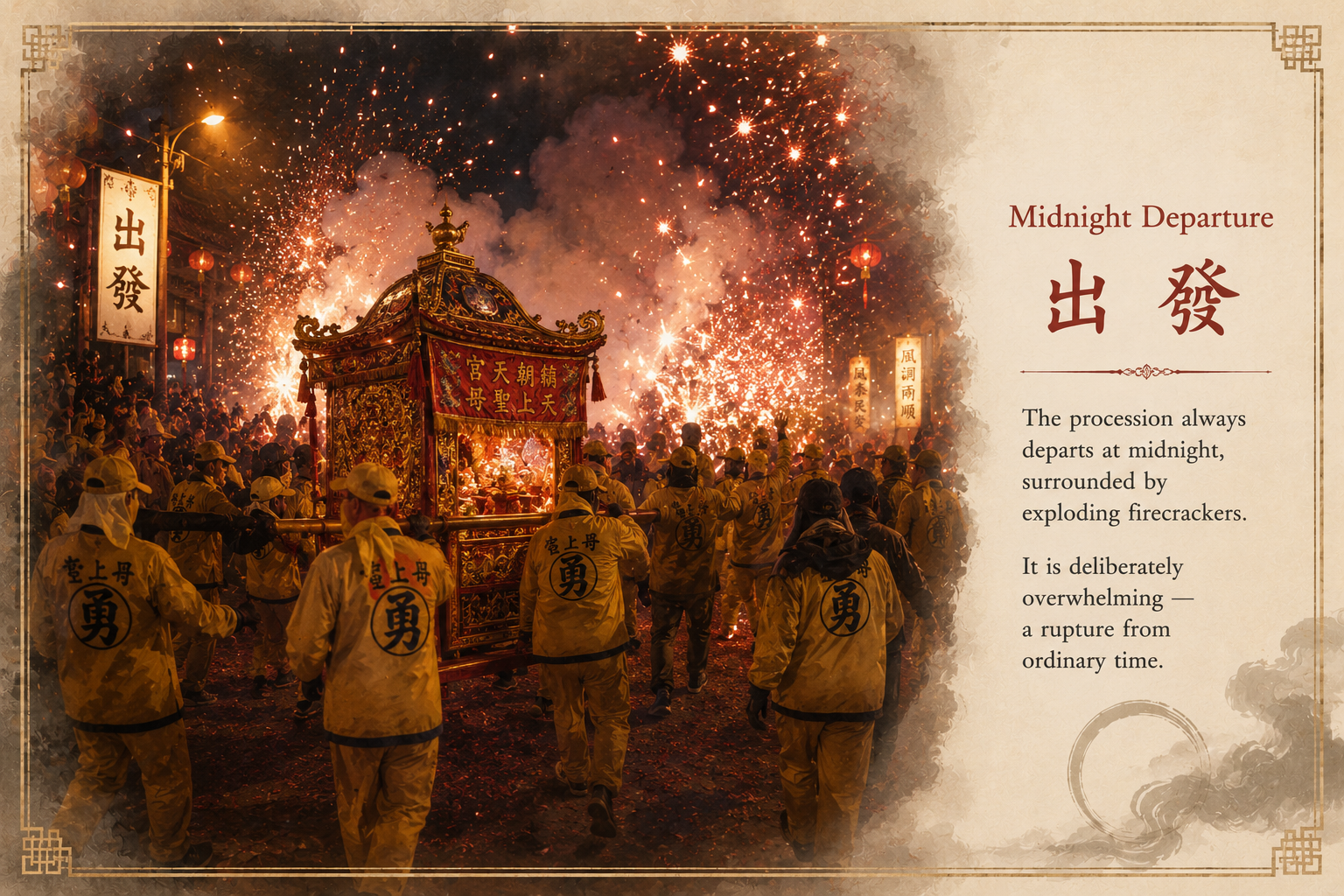
Midnight Departure
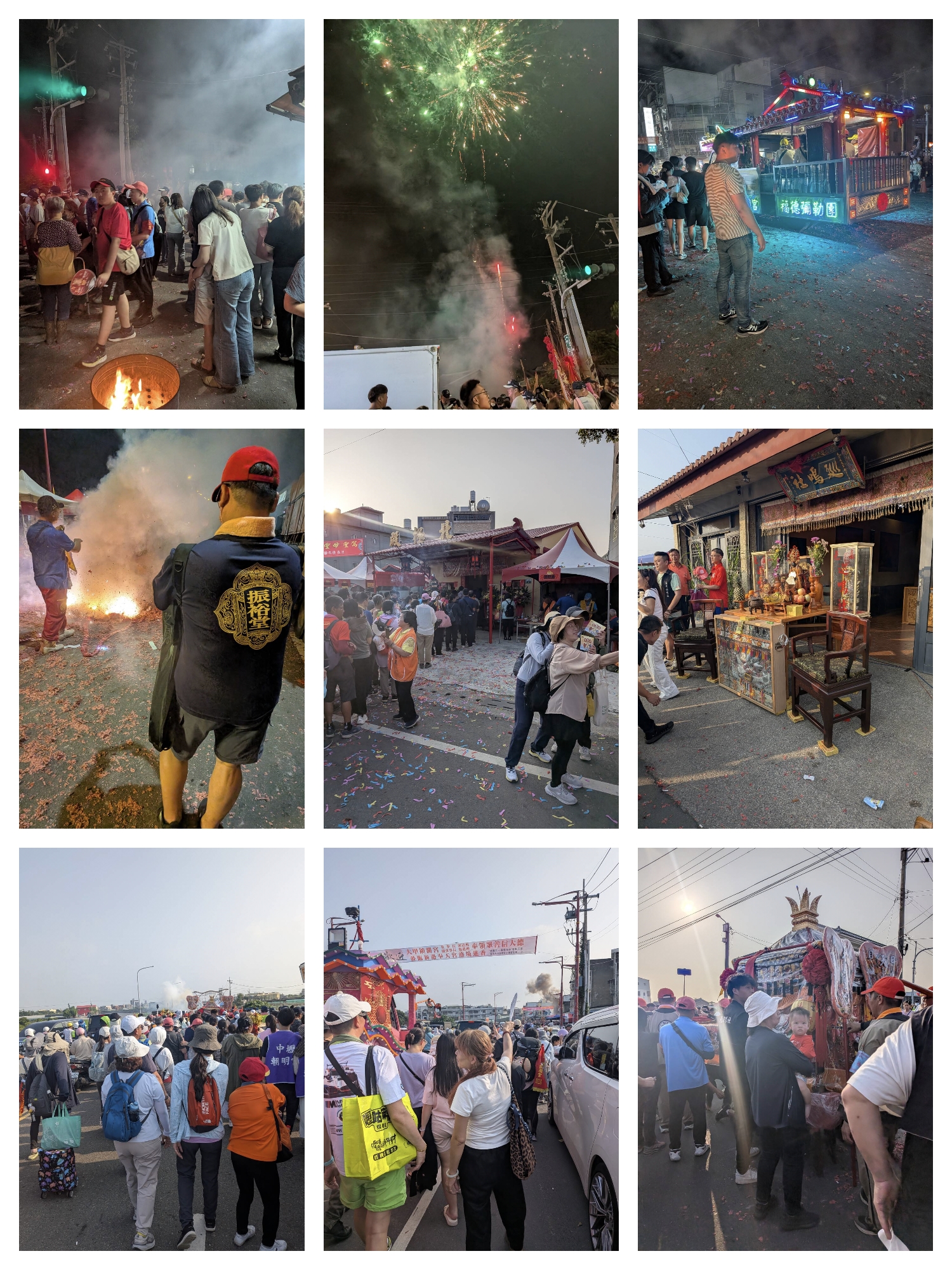
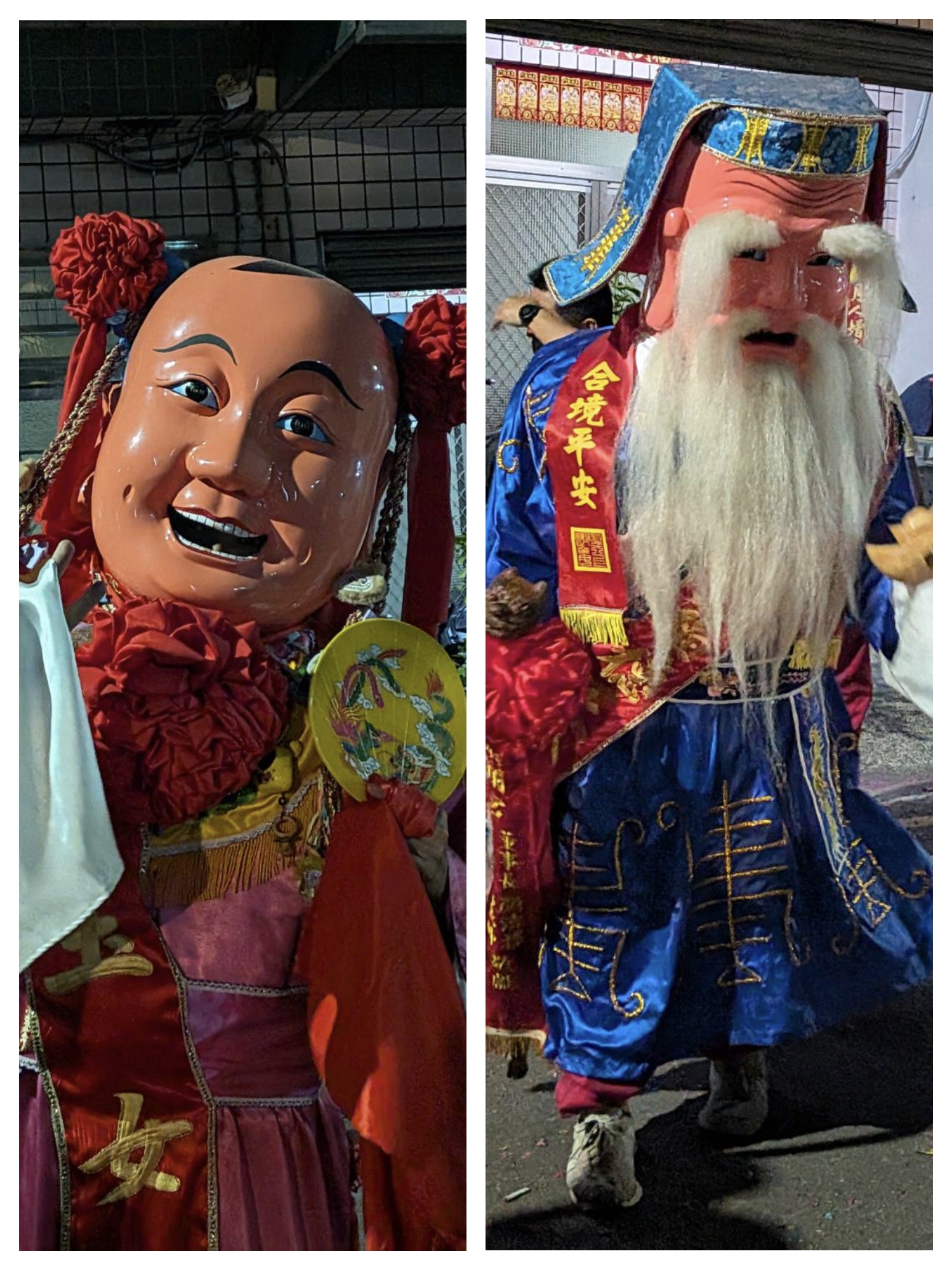
出發The procession always departs at midnight, surrounded by exploding firecrackers. It is deliberately overwhelming — a rupture from ordinary time.
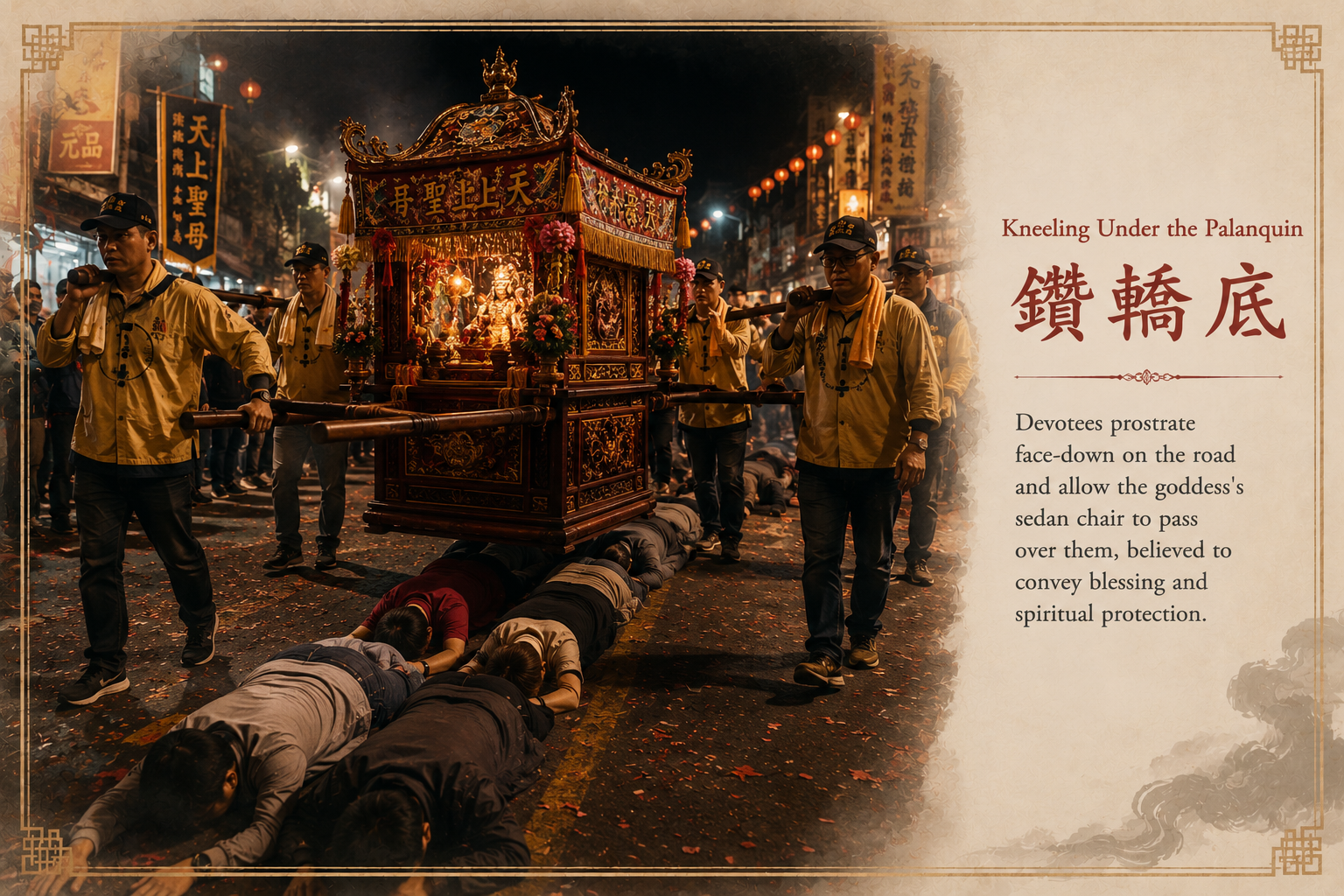
Kneeling Under the Palanquin
鑽轎底Devotees prostrate face-down on the road and allow the goddess's sedan chair to pass over them, believed to convey blessing and spiritual protection.
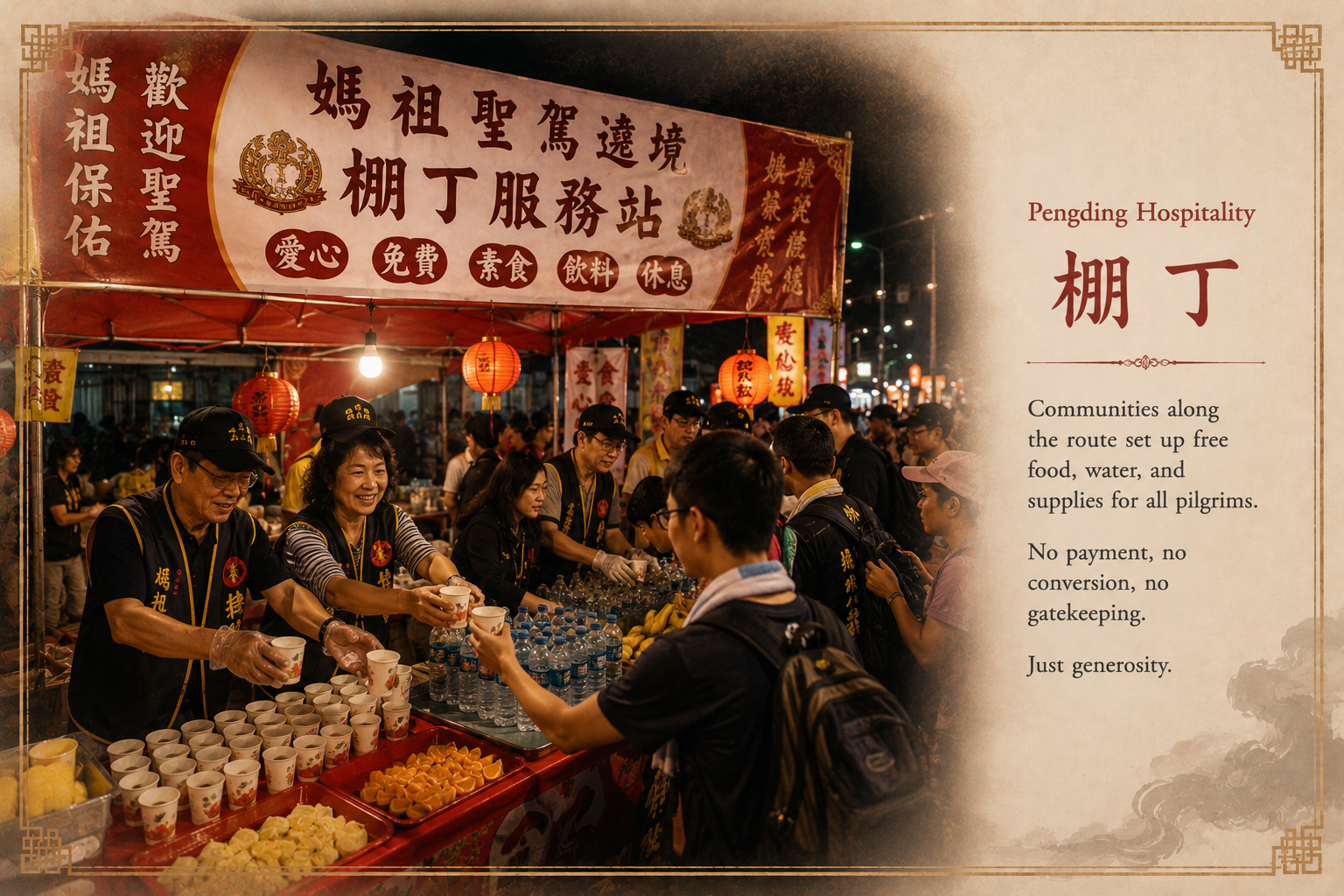
Pengding Hospitality
棚丁Communities along the route set up free food, water, and supplies for all pilgrims. No payment, no conversion, no gatekeeping. Just generosity.
You don't need to believe to receive
The volunteers feeding strangers at midnight don't ask your religion. Generosity at this scale is its own kind of theology.
Your feet know things your head doesn't
After five days of walking, the analytical mind goes quiet. What remains is something cleaner — instinct, sensation, presence. The pilgrimage has been called Taiwan's Camino for a reason.
Taiwan is deeply itself
I have lived here twenty years and the pilgrimage is still the most Taiwanese thing I have ever done. It is not exported. It is not for tourists. It exists for itself, and it lets you in anyway.